What edieLive taught us about the future of sustainability
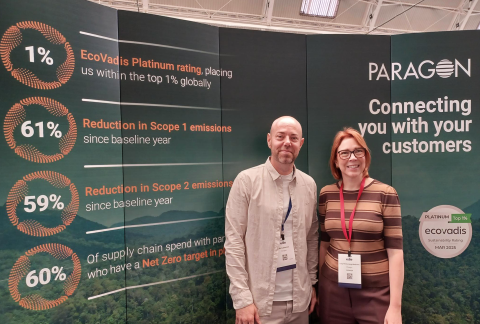
edieLive is one of the most important gatherings for sustainability professionals in the UK. This year, our Group Director of ESG, Lucy Klinkenberg-Matthews, attended and returned with clear, practical perspectives on where sustainability is heading and what it means for businesses.
The mood has shifted
A year ago, many sustainability professionals walked out of conferences feeling overwhelmed. This year felt different. The dominant sentiment across Edie Live was something closer to optimism. The challenges haven't shrunk and the global context has grown more complex, but the profession has matured. We know how to navigate the landscape more effectively, communicate our priorities more clearly and build cases that actually land with decision-makers.
That shift in confidence is significant and confirms that sustainability is gaining real momentum inside organisations.
Frame sustainability as business strategy, not conscience
The most consistent theme at this year's event was the power of reframing. Leading organisations are moving away from "it's the right thing to do" and making the case instead in terms of risk, resilience and long-term value.
One example from the defence sector illustrated this perfectly. A case for investing in electric vehicles didn't lead with carbon reduction; it led with operational advantages: quieter, lighter, less detectable and less dependent on fuel supply chains. The sustainability outcome was identical, but the narrative was completely different. And the investment followed.
At Paragon, this is how we approach ESG too. Our sustainability strategy isn't a separate agenda; it's embedded in how we operate, how we serve our clients and how we build for the long term.
You don't need universal buy-in to drive change

Research shared at the conference offered a useful reality check: influencing around 25% of a population is enough to create meaningful momentum. Businesses don't need to win over every sceptic. They need to focus energy on the stakeholders who are open to change and can drive it forward.
That's a practical insight for anyone working to embed sustainability inside a large organisation: prioritise your effort, find your advocates and build from there.
Progress is real, even when it doesn't feel like it
Long-term data on media attention around sustainability tells an encouraging story. Interest rises and falls in cycles, but each trough is higher than the last. The overall direction is consistently upward.
Sustainability is becoming more deeply integrated into business operations. Short-term shifts in attention don't change that direction.
Investment in people and supply chains is resilience, not philanthropy
One of the most important shifts in thinking I saw at edieLive was how organisations are reframing investment in social and environmental initiatives. Businesses that support skills development, strengthen supply chain infrastructure or address workforce challenges aren't doing it out of goodwill alone. They're managing risk and building resilience.
At Paragon, we structure our ESG commitments around our people, our planet and our partners because we see them as fundamental to long-term business performance, not separate from it.
Where we go from here
The takeaway from edieLive isn't that sustainability is getting easier - it's that the profession is getting smarter. We're communicating better, prioritising more effectively and building the business cases that make real change possible.
At Paragon, we apply the same thinking. And we work with our clients and partners to help them do it too.
Related news
A major milestone: Paragon awarded UK Government procurement framework
Paragon, a leading global business services provider in brand services and outsourced services, announces it has been selected as the sole supplier by the UK Government Commercial Agency (GCA) for a new four-year framework supporting public sector procurement of goods and commoditised services.
AI in Banking is Moving from Experimentation to Accountability
Banks are scaling AI at record pace. The next challenge is proving what it's delivering.
The Modern Door Drop: Attention That Doesn't Disappear With a Scroll
In a world of crowded inboxes, disappearing social posts and increasingly fragmented digital attention, door drops are proving their value as a highly effective marketing channel.